 comparison
Compostable vs Recyclable Mailers for E-Commerce
Table of Contents
- Compostable vs Recyclable Mailers: A Quick Comparison
- What Compostable Mailers Are and How They Break Down
- Recyclable Mailers and Recycled Poly Mailers Explained
- Compostable Packaging Disadvantages You Need to Know
- How to Dispose of Compostable Mailers: Industrial vs Home Composting
- Sustainable Packaging for Small Businesses: Which Option Wins?
- Durability, Water Resistance, and Real-World Shipping Performance
- Making Your Choice: Decision Framework for E-Commerce
- Frequently Asked Questions
Last Updated: October 20, 2026
Compostable vs Recyclable Mailers: A Quick Comparison
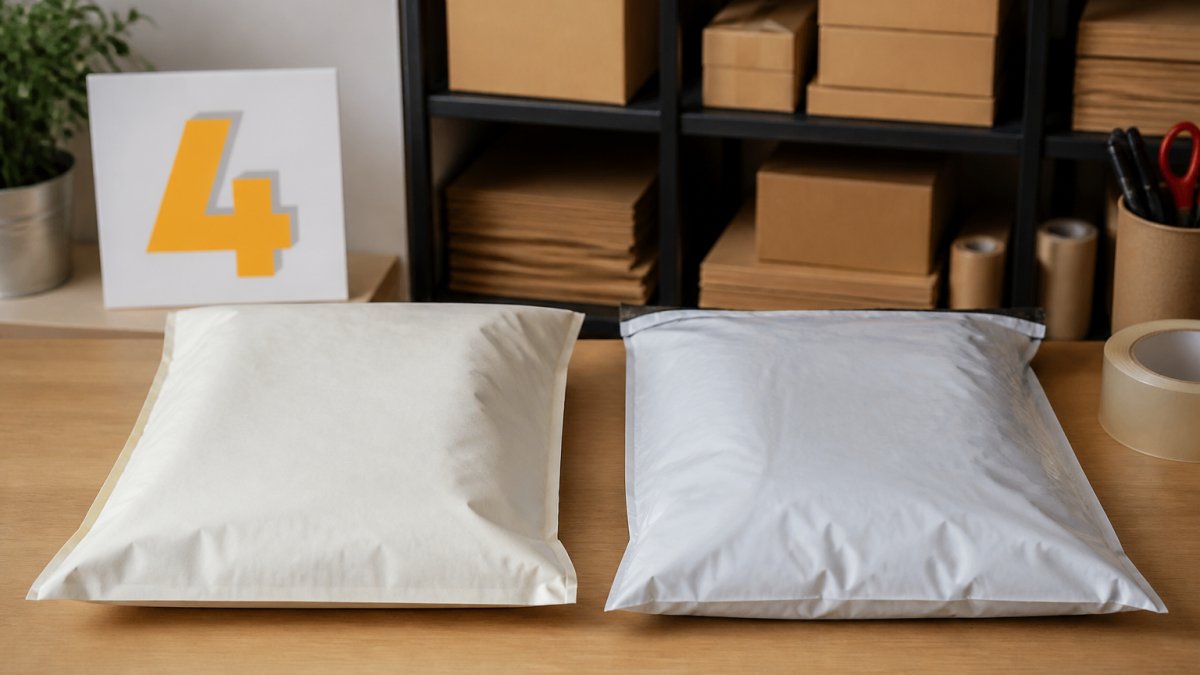
When you're shipping products, the mailer you choose affects three things: how well it protects your goods, what happens to it after delivery, and what your customers think about your brand. Compostable vs recyclable mailers represent two fundamentally different approaches to end-of-life packaging, and they're not interchangeable despite how often they're lumped together.
Compostable mailers break down into organic matter in industrial composting facilities within 90-180 days. Recyclable mailers, by contrast, are designed to re-enter the material recovery stream, either as virgin-quality recycled plastic or as recycled-content poly mailers made from post-consumer waste. The key distinction: compostable mailers are designed to disappear; recyclable mailers are designed to be remade.
For e-commerce businesses, this difference matters because it determines whether your packaging actually reaches its intended end-of-life outcome. A compostable mailer sitting in a landfill doesn't compost. A recyclable mailer thrown in general waste doesn't recycle. At Shop4Rolls.ie, we work with businesses to source packaging that aligns with both their shipping needs and their sustainability claims, and that starts with understanding what each option actually does.
Comparison Table
| Feature | Compostable Mailers | Recyclable Mailers | Recycled-Content Poly Mailers |
|---|---|---|---|
| Material Base | Plant-based polymers (PLA, PBAT) or paper | Virgin polyethylene or polypropylene | Post-consumer recycled plastic |
| Breakdown Timeline | 90-180 days (industrial composting) | Indefinite (recycled into new products) | Indefinite (recycled into new products) |
| Home Compostable | Rare; most require industrial facilities | No | No |
| Moisture Resistance | Moderate; can degrade in wet conditions | High; durable in transit | High; durable in transit |
| Recycling Infrastructure | Requires industrial composting access | Widely available curbside | Widely available curbside |
| Cost Relative to Virgin Poly | 15-40% higher | Similar to virgin poly | 5-20% higher than virgin poly |
| Best For | Eco-conscious brands; short-shelf products | Standard e-commerce; cost-sensitive | Balanced sustainability and durability |
| Key Limitation | Limited access to industrial composting | Requires consumer participation | Depends on local recycling programs |
What Compostable Mailers Are and How They Break Down
Compostable mailers are engineered to decompose into water, carbon dioxide, and biomass under specific industrial composting conditions. They're typically made from plant-derived polymers like polylactic acid (PLA) or polybutylene adipate terephthalate (PBAT), often blended with other materials to improve durability during shipping.
The breakdown process isn't instantaneous. In an industrial composting facility, where temperatures reach 58°C and moisture and microbial activity are controlled, compostable mailers typically break down within 90-180 days, meeting standards like EN 13432 (European).
Here's where the practical problem emerges: most residential composting systems don't reach the temperatures or maintain the conditions needed for certified compostable mailers to break down. A compostable mailer in a home compost bin will degrade much more slowly, if at all, and may contaminate the batch.
Additionally, industrial composting infrastructure remains limited in many regions. Even where it exists, facilities often reject contaminated loads, and compostable mailers mixed with non-compostable packaging can spoil entire batches. The environmental benefit depends entirely on the mailer actually reaching an industrial composting facility, something most consumers don't arrange.
Recyclable Mailers and Recycled Poly Mailers Explained
Recyclable mailers, typically made from polyethylene (PE) or polypropylene (PP), are designed to re-enter the material recovery stream through standard curbside recycling programs. They're sorted by automated systems, shredded, melted, and reformed into new plastic products, from park benches to new mailers.
Recycled poly mailers take this a step further: they're made from post-consumer recycled plastic, meaning they contain material that's already been through at least one recycling cycle.
The durability advantage is significant. Recyclable poly mailers maintain their structural integrity through moisture, temperature swings, and mechanical handling in ways that compostable mailers often cannot. For e-commerce, where packages travel through sorting facilities, weather exposure, and rough handling, this matters.
The recycling infrastructure advantage is equally real. Curbside programs exist in most populated areas. Customers already understand how to recycle plastic. And unlike composting, recycling doesn't require specialised facilities or perfect sorting; contamination is less catastrophic because the process is more forgiving.
The trade-off: recyclable mailers only benefit the environment if they're actually recycled. If they end up in landfill or incineration, they offer no end-of-life advantage over virgin plastic. Consumer behaviour remains the limiting factor.
Compostable Packaging Disadvantages You Need to Know
Compostable mailers solve one problem, end-of-life disposal, but create several others that matter for e-commerce operations.
Limited industrial composting access is the first barrier. Even in regions with composting infrastructure, facilities may be miles away from customers, and many don't accept mail-in compostable packaging.
Moisture sensitivity is the second. Compostable materials, particularly plant-based polymers, can degrade when exposed to humidity during storage or transit. A mailer stored in a damp warehouse or caught in rain during delivery may begin breaking down before it reaches the customer.
Higher cost with uncertain ROI is the third. Compostable mailers typically cost 15-40% more than virgin plastic equivalents.
Contamination concerns matter operationally. If a compostable mailer is mistakenly placed in a standard recycling bin, it can contaminate the entire batch, making the recycled material unusable.
Unproven claims are worth mentioning. Not all materials marketed as "compostable" meet recognised standards like EN 13432. Some break down slowly or incompletely, leaving microplastics in compost. Greenwashing is common in this space.
How to Dispose of Compostable Mailers: Industrial vs Home Composting
Understanding the difference between industrial and home composting is essential for both your business and your customers.
Industrial composting is the intended destination for certified compostable mailers. These facilities maintain temperatures of 55-65°C, control moisture levels, and use active aeration to accelerate decomposition. Under these conditions, certified compostable materials break down in 90-180 days.
The problem: finding an industrial composting facility and getting your mailers there requires deliberate action. Most customers don't have access, and mail-back schemes are rare and costly. Some regions have drop-off programs, but coverage is patchy.
Home composting is what customers typically attempt, and it's where compostable mailers often fail. Home compost bins don't reach industrial temperatures. They lack the controlled moisture and aeration.
Disposal instructions matter enormously. If your label says "compostable" without specifying "industrial composting only," customers will assume they can home-compost it, and they'll be disappointed or frustrated when it doesn't.
For e-commerce, the practical takeaway is this: compostable mailers only deliver environmental benefit if your customer base has realistic access to industrial composting. In most cases, they don't.
Sustainable Packaging for Small Businesses: Which Option Wins?
For small e-commerce businesses, the choice between compostable and recyclable mailers depends on three factors: your brand positioning, your customer expectations, and your operational constraints.
Choose recyclable poly mailers if:
- Your customers expect durability and reliable delivery above all else
- You operate in a region with well-established curbside recycling programs
- You want to reduce costs without sacrificing sustainability claims
- You're concerned about moisture damage to products
- You lack budget for a 15-40% packaging premium
Recyclable mailers are the pragmatic choice for most e-commerce operations. They ship reliably, they're affordable, and recycling infrastructure exists. The environmental benefit depends on consumer participation, but at least the option is available and accessible.
Choose compostable mailers if:
- Your brand explicitly targets environmentally conscious customers willing to pay a premium
- Your products have a short shelf life (food, flowers, perishables) where compostable packaging aligns with the product's lifecycle
- Your customer base has documented access to industrial composting facilities
- You're willing to invest in clear, detailed disposal instructions and customer education
- You can absorb the higher unit cost without raising prices unsustainably
Compostable mailers work best for niche markets where the sustainability story is central to the brand and customers understand the disposal requirements.
For most small businesses, a hybrid approach makes sense: use recyclable poly mailers as your standard, with the option to offer compostable mailers for customers who request them or for specific product categories where it makes operational sense.
At Shop4Rolls.ie, we help businesses select packaging that balances sustainability claims with real-world shipping performance and customer access to disposal infrastructure. The wrong choice wastes money and damages trust; the right choice aligns your packaging with your actual customer base and operational capabilities.
Durability, Water Resistance, and Real-World Shipping Performance
Packaging durability isn't abstract, it's the difference between a customer receiving a pristine product and receiving a damaged one.
Recyclable poly mailers, particularly those made with polyethylene or polypropylene, maintain structural integrity through moisture, temperature fluctuations, and mechanical stress. They're tested to withstand puncture, tear, and moisture ingress.
Compostable mailers present a real durability trade-off. Plant-based polymers are inherently more susceptible to moisture degradation. A compostable mailer stored in high humidity or exposed to rain during transit may begin breaking down before it reaches the customer.
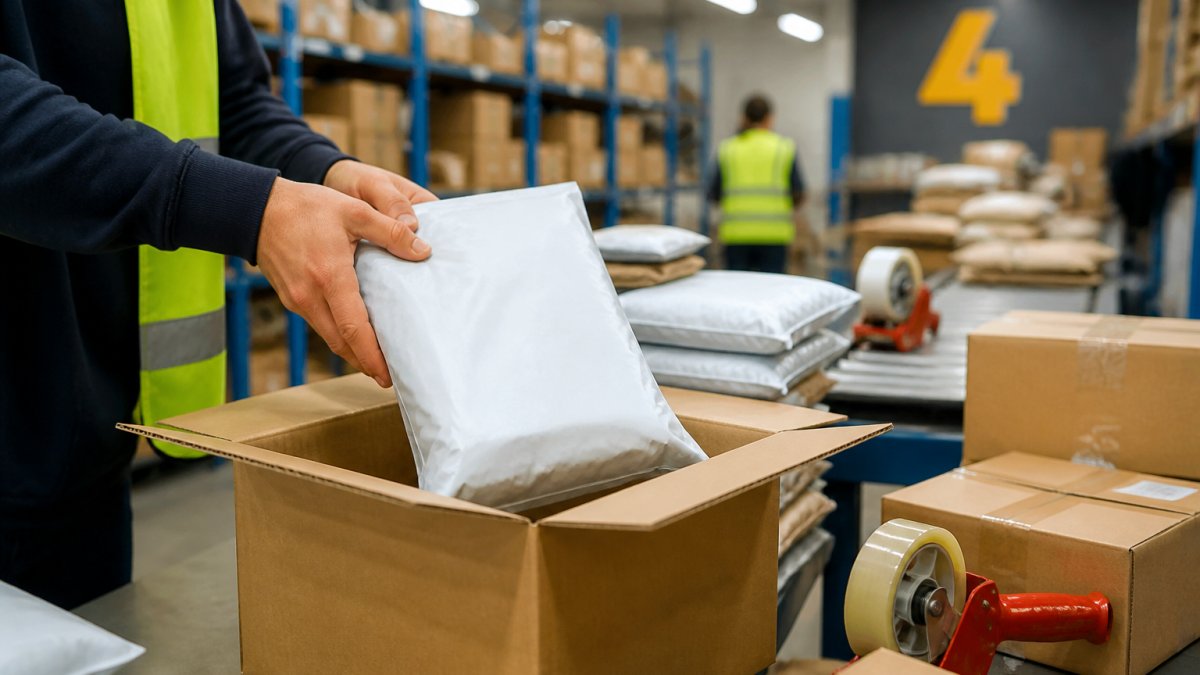
Water resistance testing shows measurable differences. Recyclable poly mailers typically maintain a moisture barrier for weeks. Compostable mailers begin showing degradation within days under high humidity.
Cost-per-shipment also factors into durability economics. If a compostable mailer's higher cost is offset by a higher damage rate requiring replacements or customer refunds, the total cost of ownership becomes worse than cheaper recyclable alternatives.
Making Your Choice: Decision Framework for E-Commerce
Use this framework to evaluate which option aligns with your business.
Step 1: Assess customer expectations. Do your customers actively seek compostable packaging? Are they willing to pay a premium? Or do they prioritise cost and reliability?
Step 2: Map disposal infrastructure. Research whether your customer base has realistic access to industrial composting facilities.
Step 3: Evaluate product sensitivity. Are your products sensitive to moisture? Do they require extended storage? Compostable mailers carry higher risk in these scenarios.
Step 5: Test and measure. If you're uncertain, test both options with a subset of customers. Track damage rates, customer feedback, and actual disposal behaviour. Real data beats assumptions.
For most e-commerce businesses, recyclable poly mailers remain the practical default. They're durable, affordable, and the recycling infrastructure exists.
The worst choice is compostable mailers without customer education or disposal access; you'll pay the premium and lose the environmental benefit because your mailers end up in landfill anyway.
Choosing the right mailer type isn't just about environmental claims, it's about protecting your products, managing costs, and aligning with what your customers can actually do. Explore our sustainable packaging range to see what's available, or speak with our customer care team about which option makes sense for your business.
Frequently Asked Questions
Are compostable and recyclable mailers the same thing?
No. Compostable mailers break down into natural materials in specific composting environments (industrial or, rarely, home), leaving no toxic residue. Recyclable mailers are designed to enter standard recycling streams where they're processed into new materials. Recycled poly mailers are made from reclaimed plastic but still enter the recycling stream at end-of-life. Each has different disposal routes and environmental outcomes.
What are the main disadvantages of compostable packaging?
Compostable packaging disadvantages include limited access to industrial composting facilities, high cost per unit, moisture sensitivity during storage, shorter shelf life, and poor performance in humid conditions. Most compostable mailers require industrial composting temperatures (58°C+) to break down properly. In many regions, composting infrastructure remains limited, meaning compostable mailers often end up in landfill where they degrade slowly, creating methane. They're also less durable than plastic alternatives.
Can I put compostable mailers in my home compost bin?
Most compostable mailers cannot be composted at home. They require industrial composting conditions (sustained temperatures of 58°C or higher) to break down within 12 weeks, which home compost rarely achieves. Home compost typically stays between 15-30°C. Check the mailer's certification label; only those certified for home composting (rare) can go in a home bin. Most require industrial facilities, which may not be accessible in your area.
How should I dispose of compostable mailers if I don't have access to industrial composting?
If industrial composting isn't available, compostable mailers should go to general waste, not recycling (they'll contaminate recycling streams). Some retailers and packaging suppliers now offer take-back schemes. Check local waste management guidance or contact your council. Alternatively, choose recycled poly mailers instead, which enter standard curbside recycling programmes. This ensures your packaging actually gets processed rather than sitting in landfill.
Which is better for e-commerce: compostable or recyclable mailers?
Recyclable mailers are typically better for e-commerce in most regions because recycling infrastructure is widely available, they perform better in humid conditions, and they cost less. Compostable mailers suit businesses where industrial composting is accessible and durability isn't critical. For small businesses without verified composting access, recycled poly mailers offer genuine environmental benefit without the disposal risk. Match your choice to your local waste infrastructure and product durability needs.