 blog
How to Choose Durable Packaging for Heavy Items
Last Updated: October 26, 2026
Quick Summary
Durable packaging heavy items requires matching the right solution to your weight, fragility, and shipping distance. Double-wall corrugated cardboard handles 20-30 kg per box, plastic containers manage 50-100 kg and resist moisture, while FIBC bags carry 500-2,000 kg for bulk materials. Combine strong containers with proper internal cushioning, palletisation, and strapping to create a complete protection system.
- Double-wall corrugated boxes work best for items up to 30 kg and balance durability with affordability
- Always confirm the box compression test (BCT) figure with your supplier, not just the edge crush strength (ECT)
- Plastic containers are waterproof and reusable, making them ideal for long-term storage or humid environments
- FIBC bags handle 500-2,000 kg and are the standard for bulk materials and heavy components
- Test your complete packaging system before scaling production to ensure boxes, cushioning, pallets and strapping work together
Table of Contents
- Why Durable Packaging Matters for Heavy Items
- Heavy Duty Cardboard Boxes and Double-Wall Corrugated Options
- Corrugated Boxes for Heavy Items: Strength and Load Capacity
- Plastic Storage and Industrial Containers
- FIBC Bags and Bulk Packaging Solutions
- Protective Packaging for Shipping: Impact and Drop Protection
- Sustainable Packaging Materials and End-of-Life Considerations
- Selecting the Right Solution for Your Heavy Items
- Frequently Asked Questions
Why Durable Packaging Matters for Heavy Items
Heavy items demand durable packaging heavy items that won't fail mid-shipment or storage. When weight exceeds ordinary box limits, standard cardboard crumples, pallets topple, and contents shift and break.
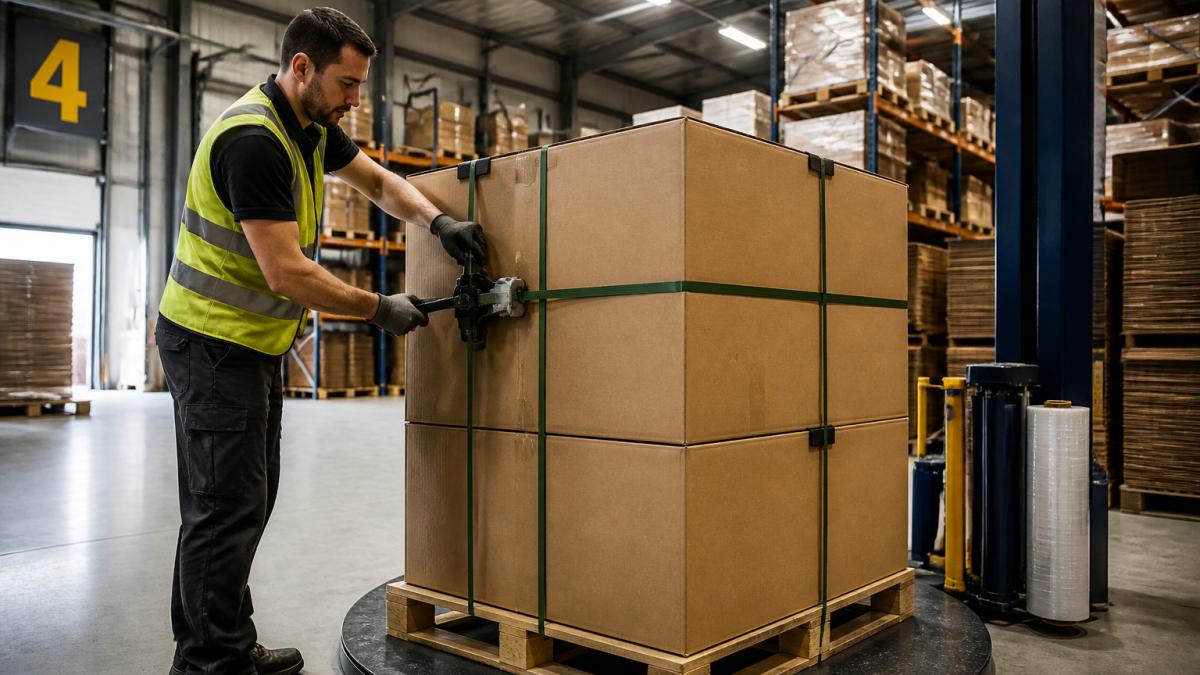
Choosing the right durable packaging for heavy items protects your bottom line: damaged goods mean refunds, lost customers, and wasted labour.
One packaging type doesn't fit all scenarios: heavy items need solutions matched to their weight, shape, and fragility.
This guide covers six proven durable packaging solutions for heavy items that protect shipments without inflating costs. We'll explain what each does, when to use it, and how to match the right option to your goods.
Heavy Duty Cardboard Boxes and Double-Wall Corrugated Options
Double-wall corrugated cardboard is the workhorse of heavy-duty packaging.
Double-wall corrugated works best for items up to 30 kg per box. The fluted design distributes force across the structure, preventing collapse under load, and balances durability with affordability.
Key advantages of double-wall corrugated:
- Handles significant stacking weight without crushing
- Resists punctures and tears during handling
- Lighter than plastic or metal, reducing shipping costs
- Recyclable and compostable
- Cost-effective for high-volume shipping
Watch out: double-wall has limits. Beyond 35 kg, the box may fail under its own weight during stacking. For heavier items, you'll need reinforcement or a different solution entirely.
Triple-wall corrugated exists for extreme cases: items over 40 kg or those requiring maximum impact protection.
Corrugated Boxes for Heavy Items: Strength and Load Capacity
Understanding load capacity is essential when selecting corrugated boxes for heavy items.
Typical ECT-to-load bands for single boxes:
- ECT 32 (roughly 5 kN/m): light-to-medium loads, around 8-12 kg per box
- ECT 44 (roughly 7 kN/m): medium loads, around 15-20 kg per box
- ECT 64 (roughly 10 kN/m): heavy loads, around 25-35 kg per box
- ECT 90 and above: specialist heavy-duty board, typically 40 kg+ per box with reinforcement
These are starting points, not guarantees. Always confirm the BCT with your supplier and test a filled sample before committing to a production run.
Calculating a safe stack. The bottom box bears the weight of everything above it. Multiply the weight per box by the number of boxes in the stack, then compare that to the bottom box's safe working load. Four boxes at 20 kg each means the bottom box carries 60 kg, so it needs a rating well above that.
Matching box shape to item shape. Tall, narrow items create uneven weight distribution and topple easily; wide, low items sit stable and distribute pressure evenly.
Common mistakes when choosing corrugated boxes:
- Selecting by price alone without checking ECT or BCT
- Using the same box for items of different weights
- Overstuffing boxes beyond their rated capacity
- Ignoring stacking depth and time under load when calculating total weight
- Forgetting that hand holes and perforations cut compression strength significantly
Reinforcement techniques extend the life of corrugated boxes:
- Add internal dividers to prevent shifting
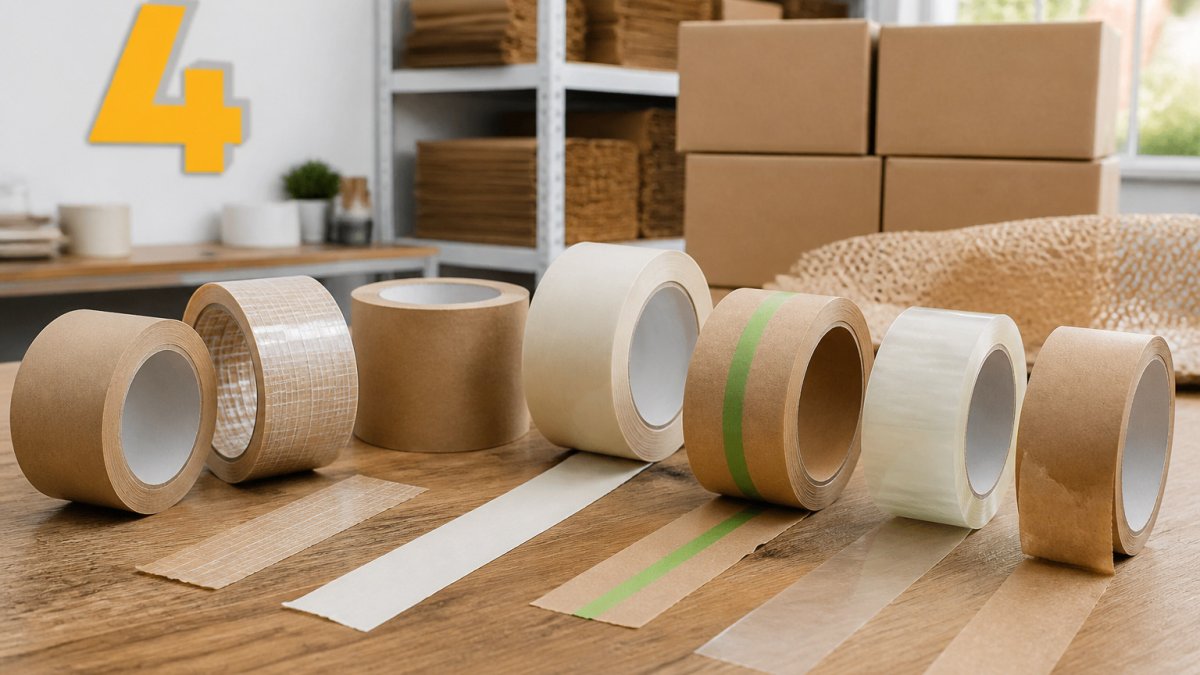
- Use kraft paper tape along seams for extra strength
- Place heavier items at the bottom of multi-item boxes
- Wrap items individually before boxing to reduce movement
- Specify double or triple-wall board where single-wall would be marginal
Plastic Storage and Industrial Containers
Plastic containers offer durability cardboard cannot match: they resist moisture, don't degrade in damp conditions, and survive multiple use cycles. For heavy items stored outdoors or in humid environments, plastic is often the only practical choice.
Industrial plastic storage boxes come in rigid polypropylene or high-density polyethylene (HDPE), both rated for heavy loads and typically handling 50-100 kg depending on size and wall thickness.
Advantages of plastic containers for heavy items:
- Waterproof and weather-resistant
- Stackable with interlocking lids for secure palletisation
- Reusable across multiple shipments, reducing long-term cost
- Resistant to punctures, tears, and crushing
- Easy to clean and sanitise
Disadvantages to consider:
- Higher upfront cost per unit than cardboard
- Not compostable (though recyclable at end of life)
- Heavier than cardboard, increasing shipping weight
- Requires proper storage space when not in use
Plastic containers suit items you ship repeatedly or store long-term; reusability pays back the initial investment quickly. For one-time shipments, cardboard remains more economical.
FIBC Bags and Bulk Packaging Solutions
FIBC bags (flexible intermediate bulk containers) handle massive weights efficiently. Made from woven polypropylene, they carry 500-2,000 kg depending on construction and are the standard for bulk materials, aggregates, powders, or heavy components.
FIBC bags come in four types based on electrical properties:
- Type A: Standard, no static protection
- Type B: Limited static dissipation
- Type C: Conductive for flammable materials
- Type D: Static-dissipative without grounding
Choose the type based on what you're shipping. Conductive materials require Type C or D. Dry powders often use Type A unless fire risk exists.
FIBC advantages for bulk heavy items:
- Extremely high weight capacity per unit
- Compact storage when empty
- Easy to fill and seal with standard equipment
- Cost-effective for large volumes
- Designed for forklift and crane handling
Limitations of FIBC bags:
- Not suitable for items requiring individual protection
- Require proper sealing equipment to prevent spillage
- Vulnerable to puncture from sharp objects
- Disposal or cleaning needed between uses
FIBC bags pair well with palletisation: stack multiple bags on a pallet, secure with strapping, and you've created a stable, shippable unit that maximises space and simplifies handling.
Protective Packaging for Shipping: Impact and Drop Protection
Protective packaging for shipping goes beyond the container: it includes the materials inside that cushion impact and prevent movement, plus the unitisation system holding the load together.
Common protective materials for durable packaging heavy items:
- Bubble wrap: lightweight, compressible, absorbs shock
- Foam sheets: rigid support, prevents movement
- Kraft paper: inexpensive filler, reduces settling
- Air pillows: fills voids, reduces weight compared to foam
- Cardboard dividers: separates items, prevents contact damage
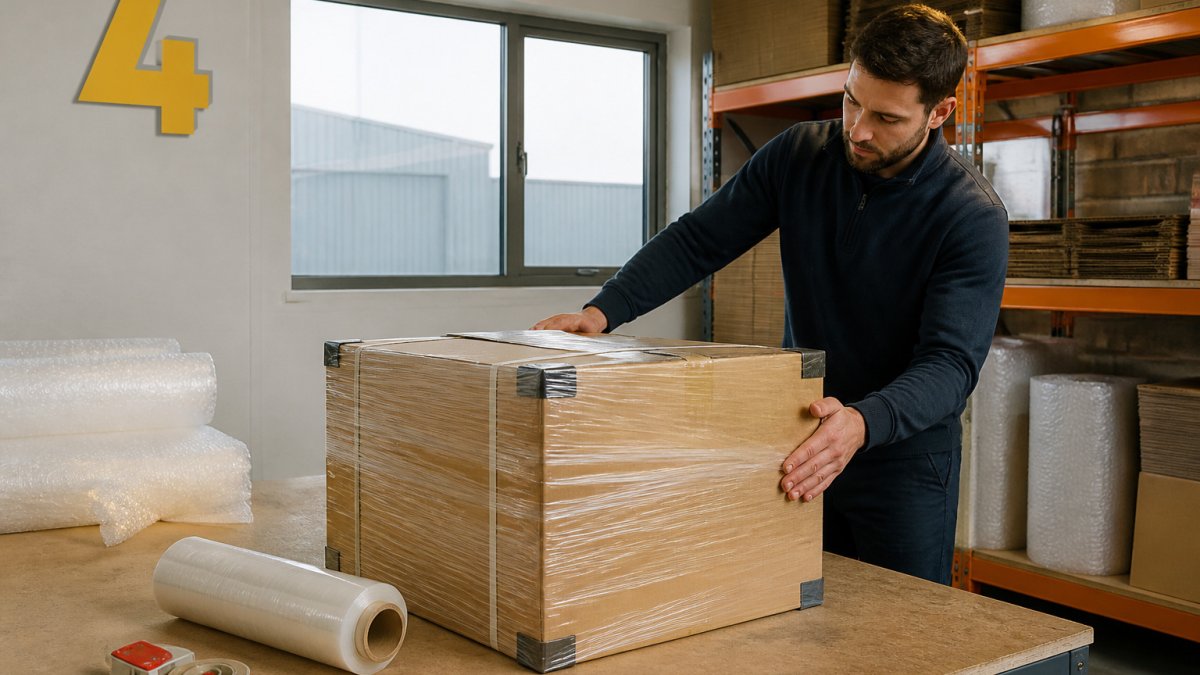
- Corner protectors and edge boards: spread strapping pressure and protect box edges
The goal is simple: immobilise your item inside the box.
Palletisation and load stabilisation. Heavy shipments rarely travel as loose boxes.
- Pallet choice: Standard pallets are 1200 x 800 mm (the common Euro pallet footprint) or 1200 x 1000 mm. Match your pallet to your box footprint so boxes do not overhang, because overhang loses up to 30% of stacking strength.
- Interlocking stacking: Alternate the orientation of each layer so boxes lock together and resist lateral movement. Column stacking is stronger vertically but less stable sideways; interlocking is the safer default for mixed loads.
- Strapping: Use polyester or polypropylene strapping applied vertically and horizontally (cross-strapping) for heavy loads. Edge boards under the strapping prevent it cutting into the box. Tension should be firm but not enough to crush corners.
- Stretch wrap: Wrap the finished load from the pallet base upward, overlapping each turn by about half, to bind boxes to the pallet and protect against moisture and dust.
- Corner boards: Vertical edge boards held by the strapping add rigidity and protect the load from impact during handling.
Drop testing reveals which protective approaches work. A 1-metre drop onto a hard surface is a common benchmark for courier and parcel packages; your packaging should survive it without the contents shifting or the box rupturing. For palletised freight, tilt and vibration testing matters more. If unsure, test before committing to a large order.
Matching protection to shipping method. Parcel couriers handle individual boxes with repeated drops and sorting impacts, so internal cushioning and a strong single box matter most.
Sustainable Packaging Materials and End-of-Life Considerations
Sustainability increasingly influences packaging choices. Cardboard is fully recyclable and compostable. Plastic containers are recyclable but take decades to decompose.
Choosing sustainable options doesn't mean sacrificing durability.
Plastic containers are recyclable but require industrial facilities. Most local recycling schemes accept rigid plastics, though availability varies.
FIBC bags present a middle ground: new bags are expensive, but used bags cost less, and reusing them across shipments spreads the environmental impact.
The real sustainability win comes from choosing the right packaging the first time.
Selecting the Right Solution for Your Heavy Items
Matching packaging to your specific items requires asking three questions: What's the weight? How fragile is it? How far is it travelling?
| Item Type | Best Packaging | Why | Load Limit |
|---|---|---|---|
| Industrial parts (10-25 kg) | Double-wall corrugated | Strength, cost balance, recyclable | 20-30 kg per box |
| Bulk materials (500+ kg) | FIBC bags on pallet | Extreme capacity, efficient handling | 1,000-2,000 kg per bag |
| Fragile heavy goods (15-30 kg) | Double-wall + internal foam | Protection plus durability | 25-30 kg per box |
| Items stored long-term | Plastic containers | Moisture-resistant, reusable | 50-100 kg per container |
| Outdoor/wet storage | Plastic or FIBC | Waterproof, weather-resistant | 50-2,000 kg depending on type |
| High-volume shipping | Corrugated boxes | Cost-effective at scale | 8-35 kg per box |
Start by weighing your items and measuring their dimensions. Confirm the ECT rating of any corrugated box you consider. Check whether items are fragile or strong.
For businesses shipping the same items repeatedly, standardise your packaging: same box size, same protective materials, same strapping method.
We carry durable packaging supplies for small business.
Test your chosen packaging before rolling it out at scale. Ship a sample box to yourself or a nearby location.
Frequently Asked Questions
What types of materials are best for durable packaging of heavy items?
Double-wall corrugated cardboard, high-density polyethylene plastic, and woven polypropylene FIBC bags are the most common choices. Corrugated cardboard offers good strength-to-weight ratio and is recyclable. Plastic containers are reusable and withstand moisture. FIBC bags suit bulk loads and industrial applications. The best choice depends on your item's weight, shape, fragility, and whether you need reusability or single-use disposal.
How do I know if corrugated boxes are strong enough for my heavy items?
Check the box's edge crush test (ECT) rating and burst strength. Double-wall corrugated typically handles 20-50 kg per box, depending on construction. Verify the load capacity matches your item's weight plus any stacking loads. Suppliers provide weight ratings on product specifications. If you're unsure, consult your packaging supplier's technical data or request a sample test before ordering in bulk.
What's the difference between single-wall and double-wall corrugated boxes?
Single-wall corrugated has one wavy layer between two flat layers; double-wall has two wavy layers. Double-wall corrugated is significantly stronger and handles heavier loads, making it ideal for industrial items, machinery parts, and dense goods. Single-wall suits lighter items and local delivery. Double-wall costs more but provides better protection and durability for heavy items shipped long distances or stacked high.
Are FIBC bags suitable for heavy items, and what weight can they hold?
Yes, FIBC bags (Flexible Intermediate Bulk Containers) are designed for heavy, bulk loads. Standard FIBC bags typically hold 500-2,000 kg, depending on construction and certification. They're ideal for powders, granules, chemicals, and industrial materials. Check the Safe Working Load (SWL) rating on the bag. FIBC bags are reusable, stackable, and cost-effective for bulk operations, but require proper handling equipment like forklifts for safe movement.
Ready to find the right packaging for your heavy items? Shop4Rolls.ie stocks industrial-grade boxes, protective materials, and palletisation supplies ready to ship. Explore our e-commerce packaging materials comparison to see options matched to your needs, or contact our customer care team to discuss your specific requirements. Get started today and simplify your shipping process.